How San Francisco's Climate Affects Your Roof Waterproofing
San Francisco's unique climate creates waterproofing challenges that most California property owners never face. Understanding those challenges may be the difference between a dry interior and a costly moisture problem
.
Unlike Southern California, San Francisco, CA, does not rely on rainfall alone to threaten a roof. The city experiences persistent marine layer fog, salt-laden air from the Bay, and a concentrated wet season that can push even newer roofing systems to their limits. Knowing how each factor works helps property owners make smarter decisions about roof maintenance and seasonal inspections.
How the Marine Layer Puts Constant Pressure on Your Roof
San Francisco's fog creates a near-daily moisture cycle that most roofs were not designed to handle alone. The marine layer rolling in off the Pacific deposits significant moisture on roof surfaces even without rain in the forecast. Repeated wetting and drying breaks down membranes, seals, and flashing faster than expected. Tiny cracks that would otherwise stay sealed for years may begin to open as membranes flex through this constant moisture cycle.
This is why roof protection in San Francisco, CA, requires waterproofing solutions calibrated to fog exposure, not just rainfall frequency.
What Does Salt Air Do to a Roof's Waterproofing?
Salt air accelerates degradation of roofing membranes and metal components faster than dry inland climates. Properties near the Bay and ocean are exposed to salt particles that settle on roofing surfaces and gradually corrode flashing, fasteners, and membrane edges. Once those protective layers break down, water has a direct path into the roof assembly. Salt corrosion is often subtle, meaning damage may not become visible until it has already advanced beneath the surface.
Signs Salt Air Damage May Be Developing
- Rust staining near metal flashing or vents.
- Blistering or bubbling along membrane edges.
- Chalky residue or discoloration on roofing surfaces.
- Cracking or separation at seams and joints.
Scheduling a professional inspection before visible damage appears can help catch deterioration early, while repairs are still relatively straightforward.
The Wet Season Window Property Owners Should Know
San Francisco's rainy season runs roughly from October through April, concentrating the bulk of annual rainfall into six months. Roofs entering this period with aging or compromised protection face the highest risk of leaks and moisture intrusion. A roof that performed well the previous spring may have degraded further during the dry months through UV exposure, heat cycling, and continued salt air contact.
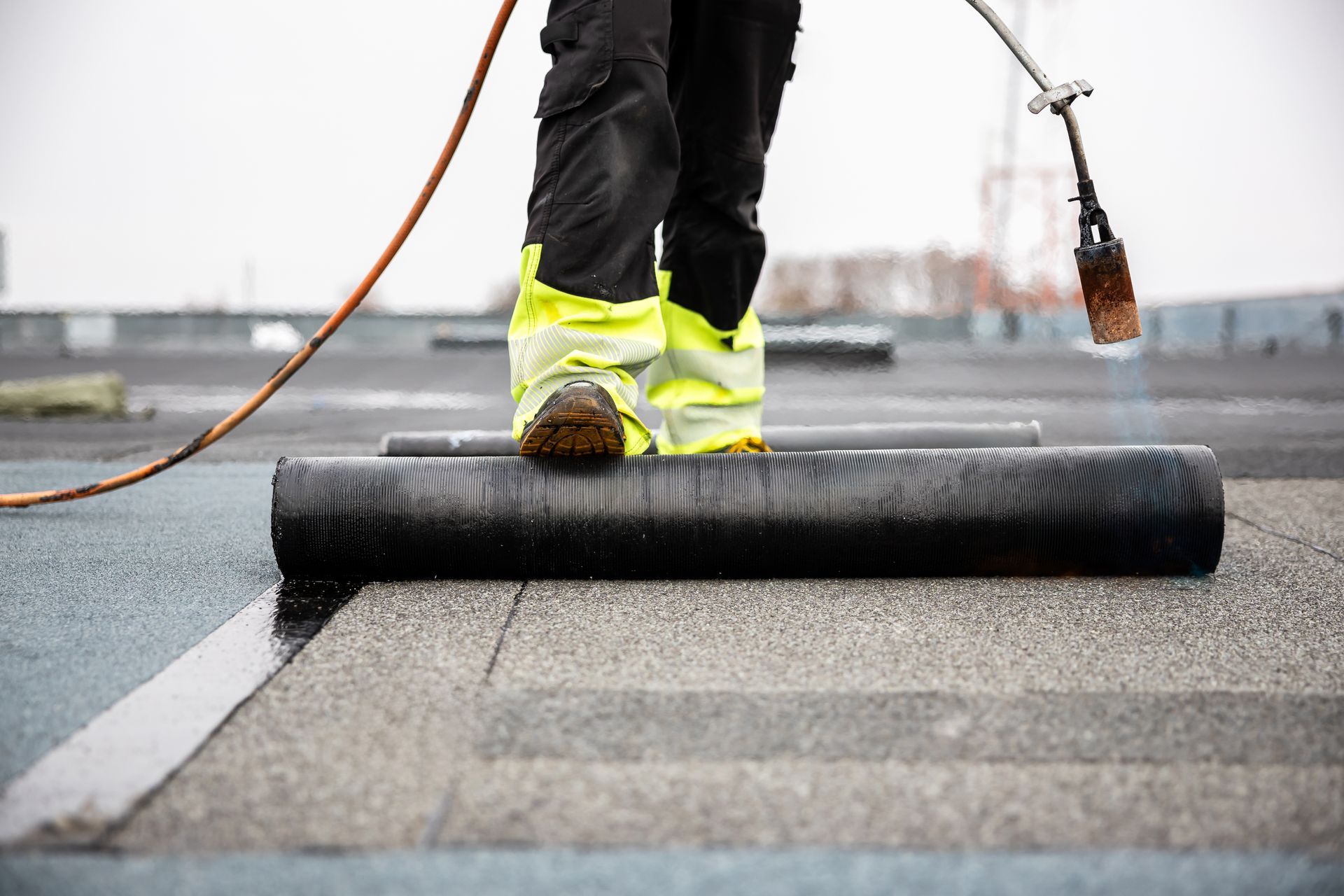
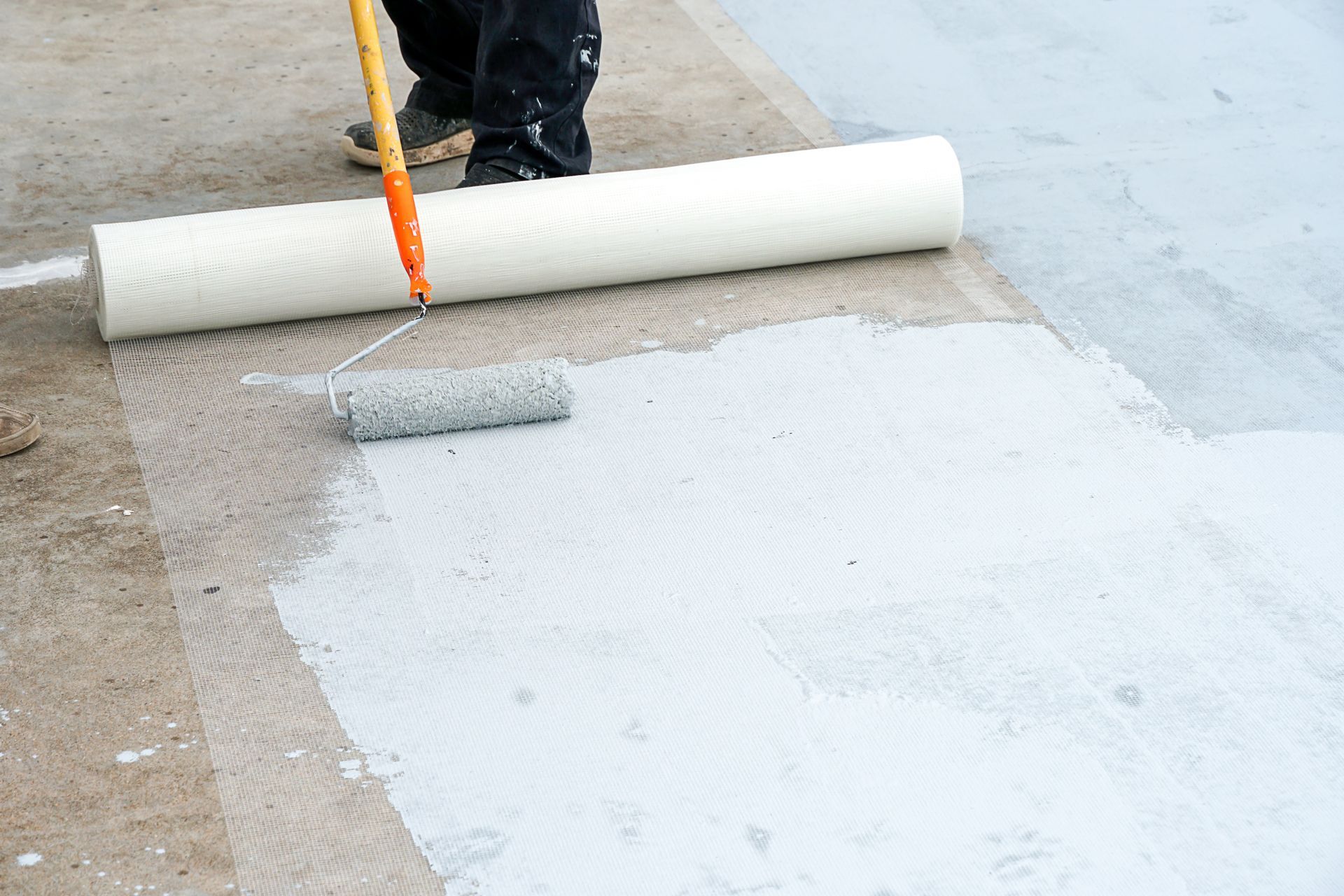
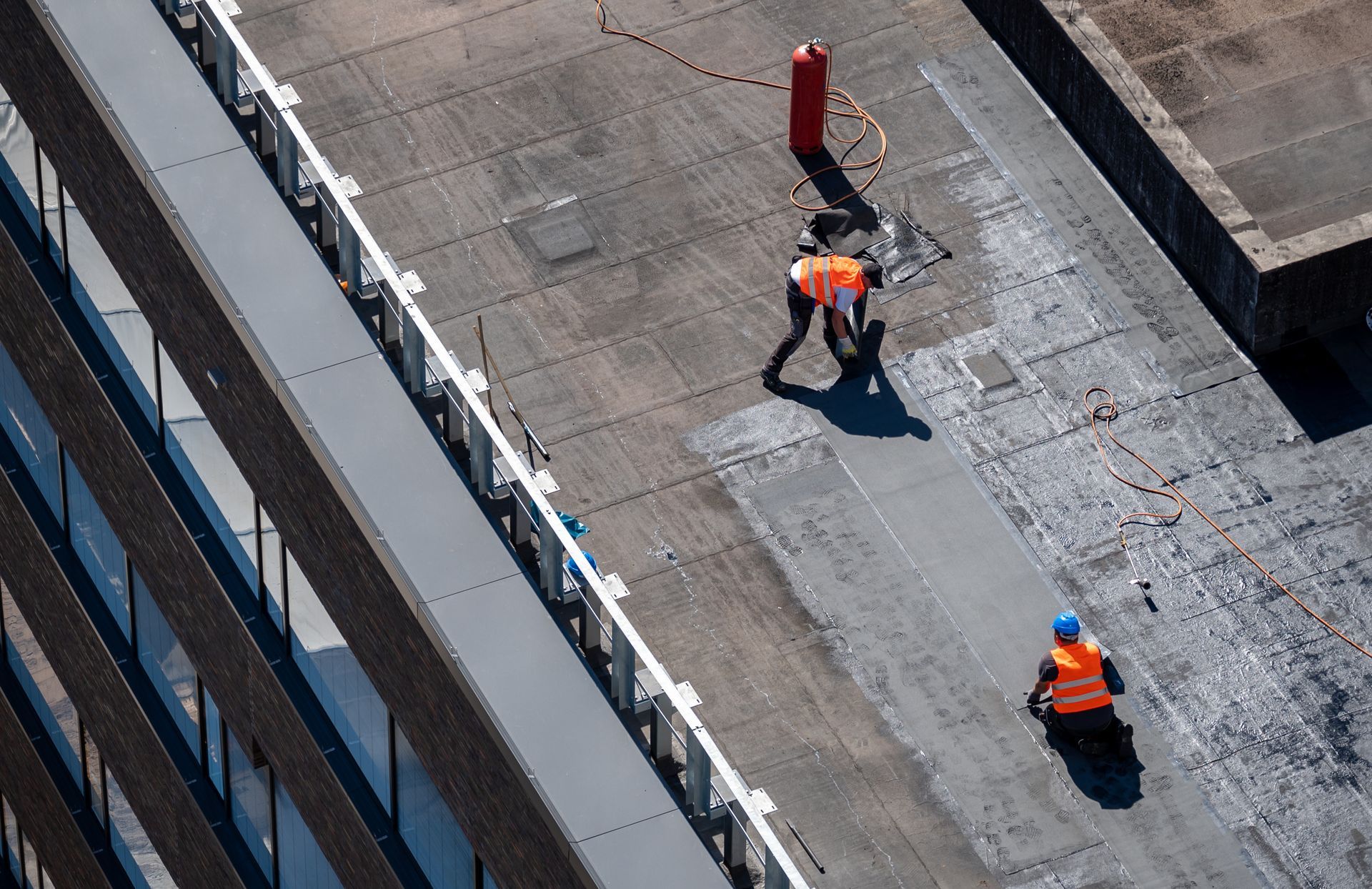
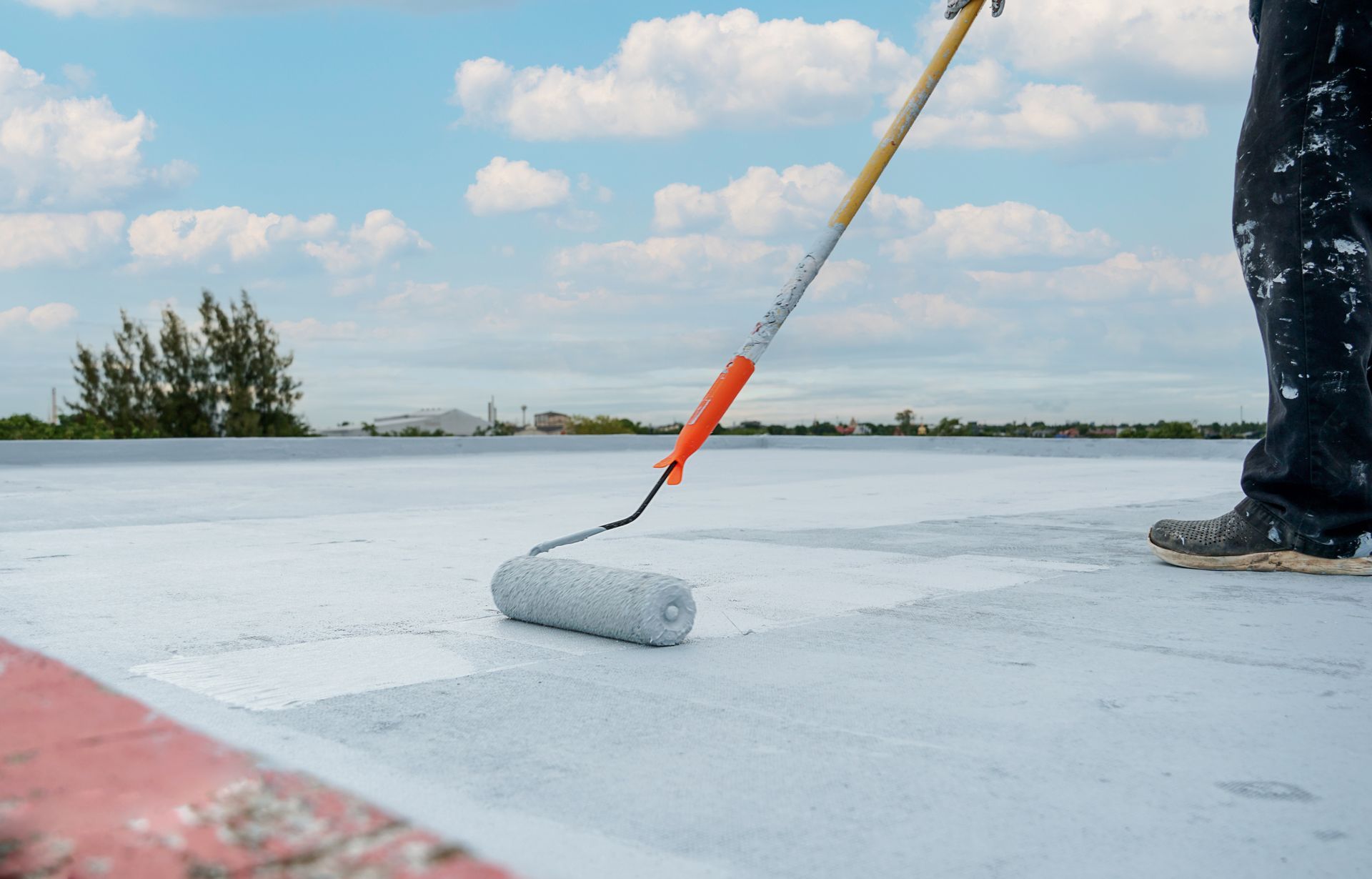
Scheduling a waterproofing services San Francisco CA inspection each September gives property owners a clear picture of roof condition while work is easier to complete. A pre-season assessment may catch membrane thinning, failed seams, or compromised flashing that would otherwise go unnoticed until a leak appears indoors.
Is Your Roof Ready for San Francisco's Climate Conditions?
Proactive roof maintenance is one of the most practical steps a San Francisco, CA, property owner can take before the rainy season arrives. Waiting for a visible leak means moisture has likely already penetrated beyond the surface, making repairs more extensive. A well-maintained roofing system, inspected on a schedule tied to SF's climate cycle, may significantly extend the life of the entire roof assembly.
To learn more, visit the Waterproofing Services page for details on available solutions.
Schedule a Roofing Assessment in San Francisco, CA
San Francisco's climate is tough on roofs, and staying ahead of fog moisture, salt air, and wet season stress may protect your property and prevent costly repairs.
The Lawson Roofing Co Inc. has been serving San Francisco, CA, property owners since 1907, bringing over 100 years of local experience to every assessment. Call Lawson Roofing at
(415) 285-1661 to schedule your inspection, or
reach out through the contact page to get started today.