Signs Your San Francisco Building Needs Waterproofing Services Before the Rainy Season
San Francisco buildings face a predictable window of risk every fall. Knowing the warning signs that call for Waterproofing Services before the rains arrive can save property owners from costly structural damage. This guide covers seven symptoms San Francisco buildings display when moisture protection is failing, and why acting before November matters more here than almost anywhere else in California.
San Francisco's rainy season runs from November through March, with the heaviest precipitation in December, January, and February. Victorian flats, Edwardian multi-units, and post-war concrete commercial buildings all face the same challenge: moisture finds every gap, crack, and deteriorated joint the moment sustained rain arrives. Professional Waterproofing Services in San Francisco, CA can stop moisture intrusion before it becomes a structural problem.
Sign 1: White, Chalky Deposits on Exterior Walls (Efflorescence)
Efflorescence is one of the earliest visible indicators that moisture is already moving through masonry. White or gray powdery streaks on brick, stucco, or concrete form when water carries mineral salts to the surface as it migrates outward. Buildings in foggy corridors near the Sunset or Inner Richmond are particularly prone to this because coastal moisture keeps masonry damp for extended periods. If efflorescence reappears after cleaning, the water source is ongoing.
Scheduling Waterproofing Services at this stage is far more cost-effective than addressing damage after water has penetrated deeper into the wall assembly.
Sign 2: Interior Water Stains on Ceilings or Walls
Interior staining is a direct sign that waterproofing has already been breached. Yellow or brown rings on drywall or plaster typically trace back to a failed roof membrane, a cracked parapet, or compromised flashing around a skylight or mechanical penetration. San Francisco's older commercial structures often have flat roofs that collect standing water after heavy rain, amplifying any existing weakness quickly. A stain that appears after a single storm may be small, but the underlying pathway has likely been developing for months.
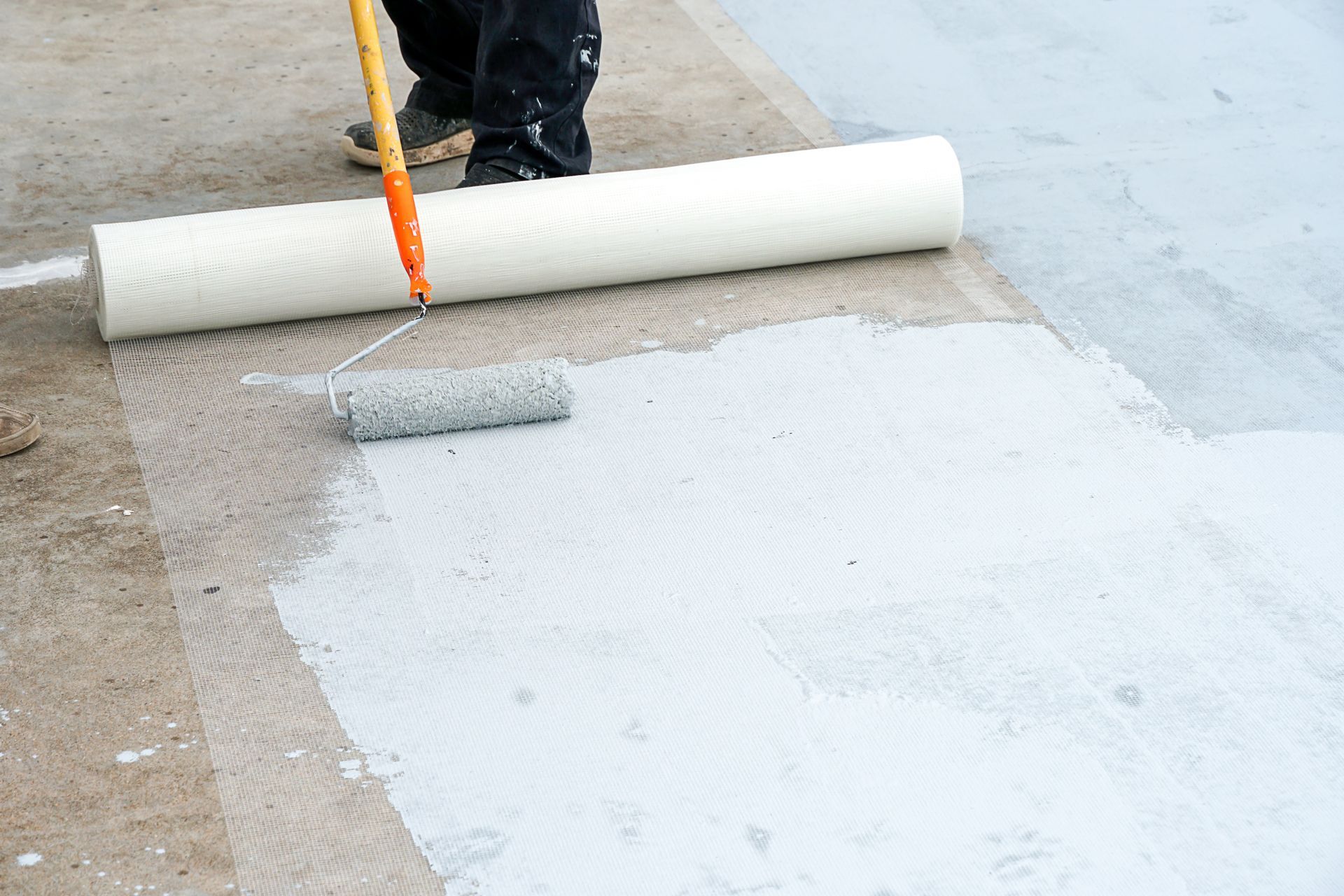
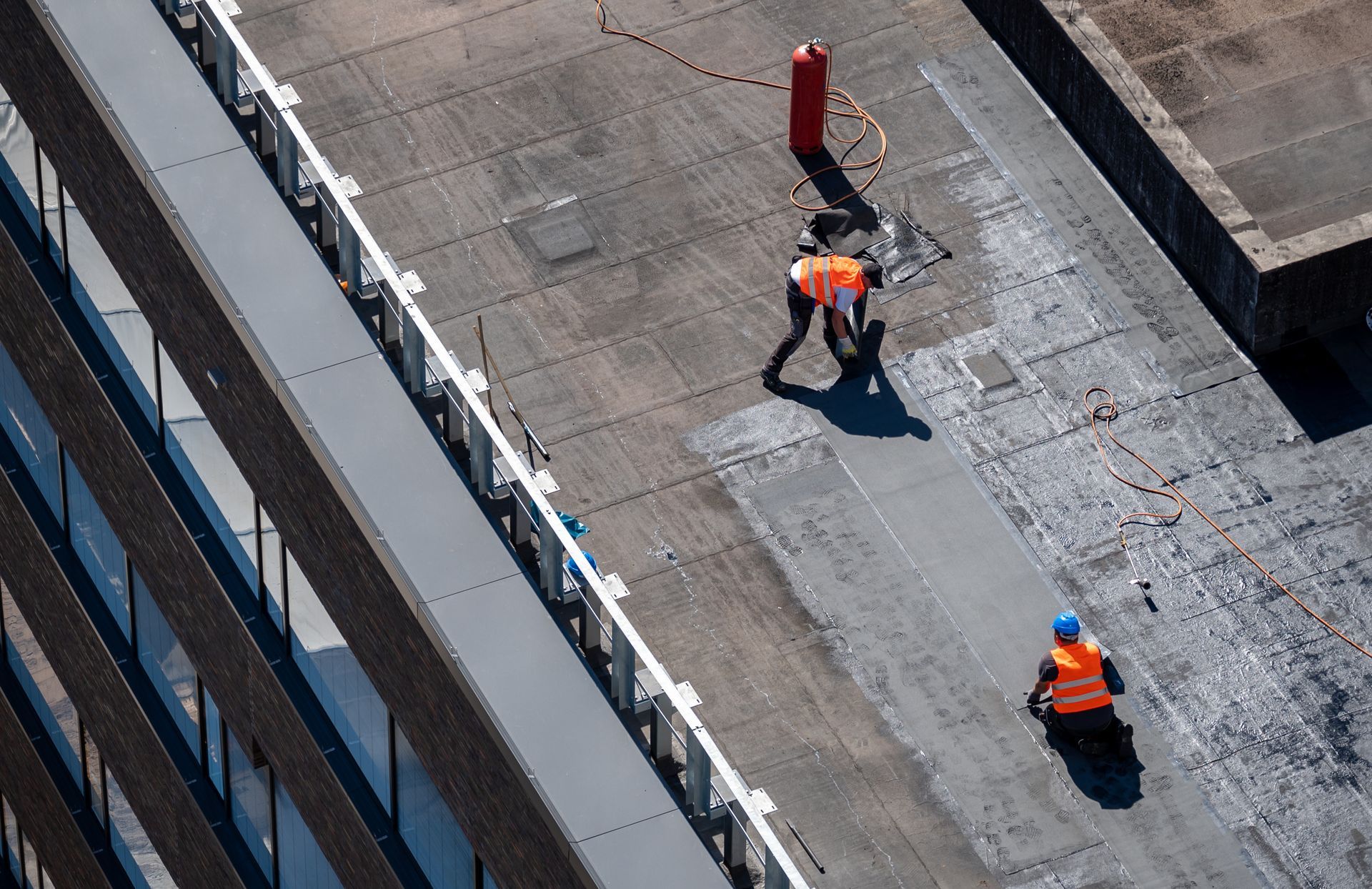
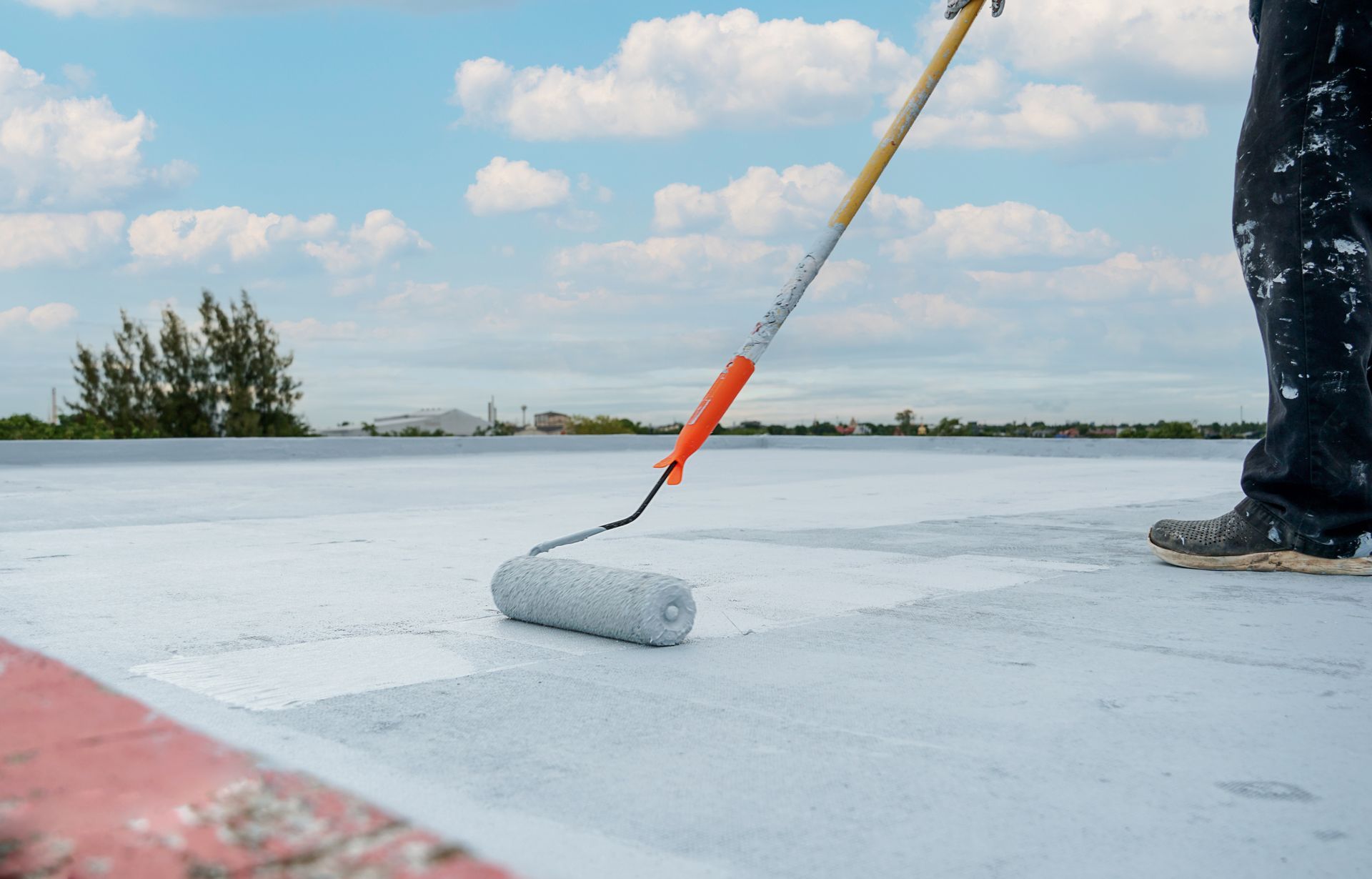
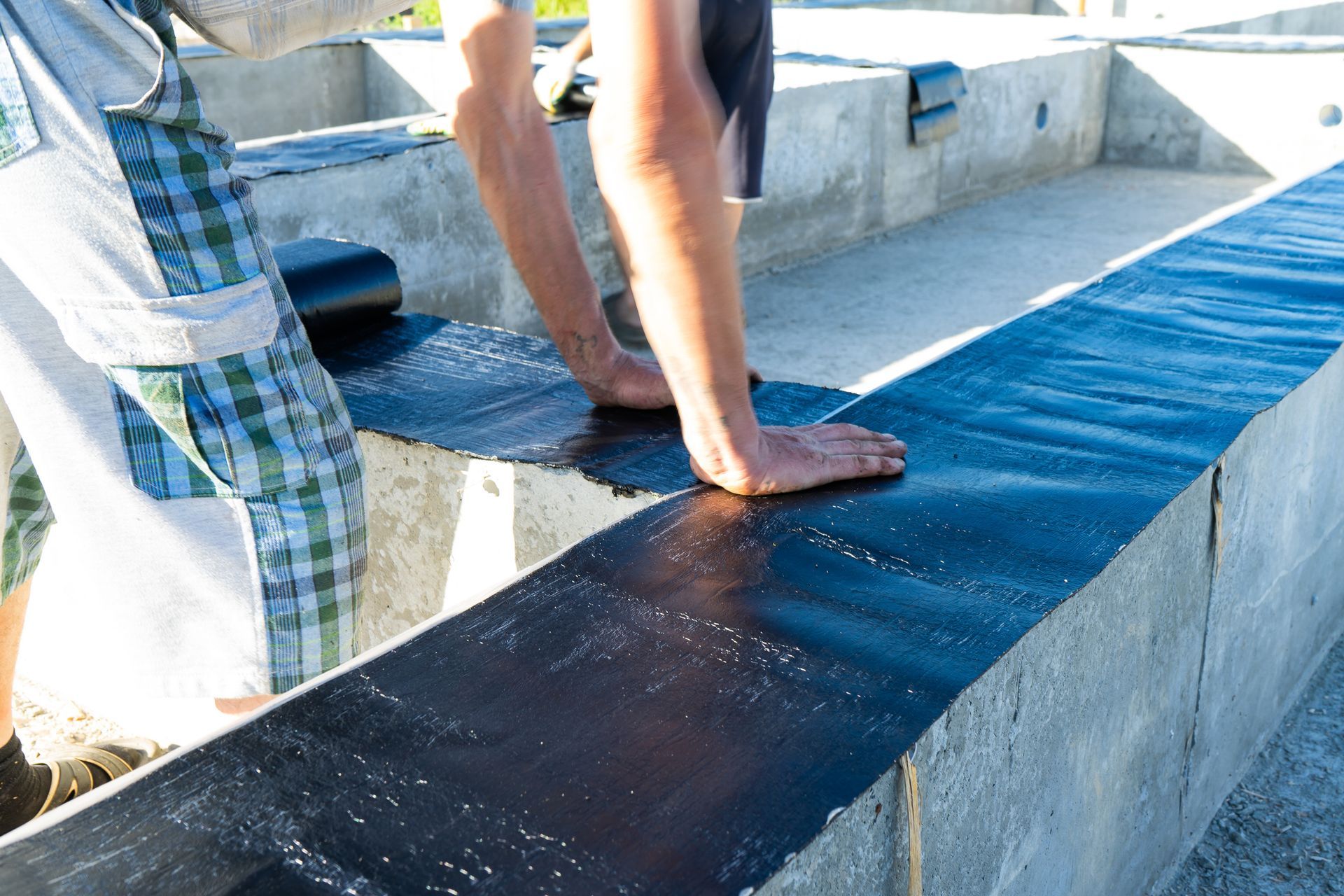
Waterproofing Services that address roof membranes and parapet details can eliminate these pathways before they produce additional interior damage.
Sign 3: Mold or Musty Odors in Interior Spaces
A persistent musty smell in a basement, ground-floor unit, or stairwell often indicates mold behind finishes rather than on them. San Francisco's moderate temperatures and seasonal rain create conditions where mold establishes itself inside wall cavities and crawl spaces without being immediately visible. Older Victorian and Edwardian buildings frequently have wood framing that absorbs and holds moisture over time, giving mold spores the sustained damp environment they need. Professional Waterproofing Services address the moisture source directly rather than treating only visible symptoms.
Sign 4: Peeling or Bubbling Paint on Interior or Exterior Surfaces
Paint that peels, bubbles, or blisters is reacting to moisture pressure from behind the surface. On exterior walls, this often means the weather barrier is no longer performing as intended. On interior walls, bubbling paint typically indicates water migrating through the structure beneath the finish coat.
This symptom is common in San Francisco row houses where shared exterior walls may have cracked caulk or failed sealant joints. Simply repainting over an active moisture source will produce the same result within one rainy season. A Waterproofing Services provider can assess whether the issue originates at the exterior cladding, the weather barrier, or a specific joint failure.
Sign 5: Damp, Wet, or Stained Basement and Below-Grade Spaces
Below-grade areas are especially exposed to hydrostatic pressure during heavy rain. When surrounding soil becomes saturated, water can push through foundation cracks even where no obvious entry point exists. Wet spots, tide marks on concrete walls, or standing water in a basement or lower garage all suggest the foundation waterproofing system has degraded.
Hillside properties in Glen Park, Noe Valley, and Twin Peaks face additional lateral water pressure from grade-related runoff. These conditions rarely improve without Waterproofing Services that include below-grade membrane repair or drainage system installation.
Sign 6: Cracked, Dried-Out, or Missing Caulk and Sealant
San Francisco's UV-heavy summers followed by damp winters cause sealant to dry out, shrink, and crack over years. Critical locations to check include window perimeters, door frames, expansion joints, exterior wall penetrations, deck-to-wall connections, and parapet cap joints.
A small gap at a window head can admit several gallons of water per hour during a driving rainstorm. This is one of the easiest signs to identify during a visual inspection before rain arrives. Waterproofing Services typically include resealing these joints as part of a comprehensive building envelope treatment.
Sign 7: Visible Cracks in the Foundation or Exterior Masonry
Cracks in concrete or masonry can be cosmetic or structural, but either type can become a water entry point if left unaddressed. Horizontal cracks in foundation walls are generally more concerning than vertical or diagonal hairline cracks, but all crack types warrant inspection before the rainy season. San Francisco's varied soil types and seismic activity contribute to foundation movement over time. Even a narrow crack can allow significant water infiltration when hydrostatic pressure builds in saturated soil.
What Building Types Are Most Vulnerable to Water Intrusion?
Flat-roof and low-slope commercial buildings, multi-unit Victorian and Edwardian residential structures, and hillside homes with below-grade living spaces tend to face the greatest moisture risk. Older masonry buildings without modern weather barriers, and any structure with a rooftop deck, balcony, or planter box, may also show signs of failure earlier than newer construction.
When Should a Property Owner Schedule a Waterproofing Inspection?
September and October are typically the best months. Addressing problems during dry weather gives crews time to prepare surfaces properly, and most waterproofing materials require dry conditions to cure correctly. Waiting until November can leave too little dry weather to apply the materials.
Can Waterproofing Problems Develop Without Visible Signs?
Yes. Moisture can penetrate building envelopes gradually before symptoms become obvious. Periodic professional assessment can identify moisture pathways that have not yet produced visible staining, mold, or structural damage. This matters most in buildings with complex roof-to-wall junctions or aging below-grade construction.
Schedule an Inspection Before the Rains Arrive
If your building is showing any of the signs above, acting now gives you the best chance to address moisture issues before November's first sustained rainstorm. The Lawson Roofing Co. Inc. has served San Francisco, CA, since 1907. The company provides professional waterproofing and roofing services to commercial and residential property owners across the city and the wider Bay Area. To learn more about moisture protection options for your property, visit the comprehensive waterproofing services page. To schedule your pre-season inspection or request a free estimate, contact the team directly or call (415) 285-1661 today.